Become a Squat Pro: The Ultimate Beginner's Guide of Deep Squat Machine
Guide of Deep Squat Machine
Looking to build stronger glutes, legs, and core without a gym? A deep squat machine could be your perfect home workout solution. Gaining popularity on social media, these compact devices help you achieve proper squat form while minimizing stress on your knees and back.Whether you're starting your fitness journey or enhancing your home gym routine, this Guide of Deep Squat Machine covers everything you need to know about using a deep squat machine—from setup to the most effective at-home squat exercises.
1. What Is a Deep Squat Machine?
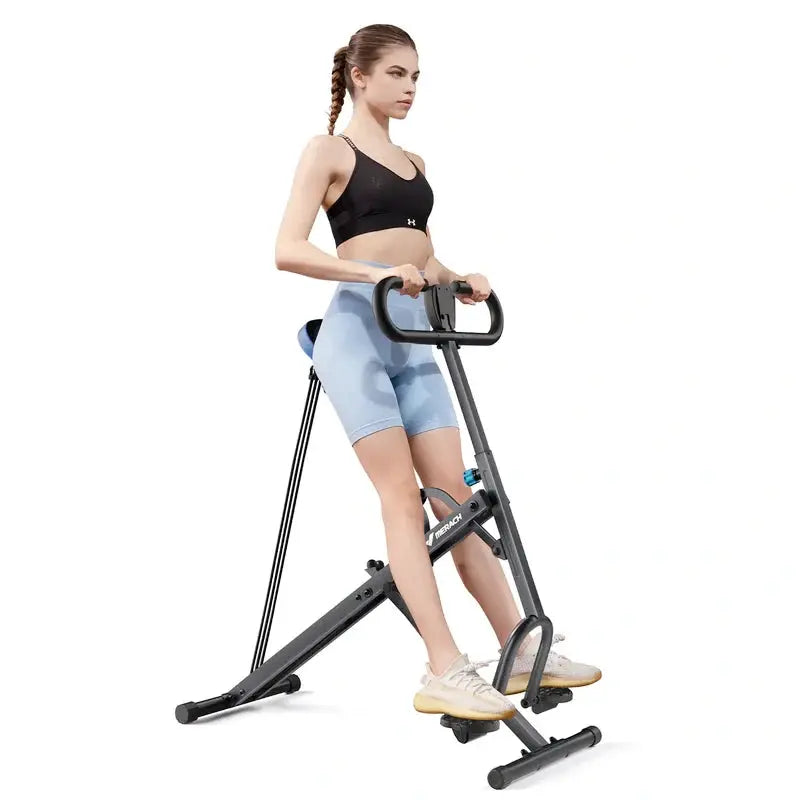
A deep squat machine is a specialized fitness tool that guides your body into the ideal squat position while offering support and adjustable resistance. Unlike traditional squats—which often challenge your balance and form—this machine uses a structured frame, padded supports, and multiple foot placement options to help you squat safely and effectively. Typical features include a backrest, shoulder pads, height adjustments, and resistance bands or springs that create tension as you move. This design lets you fully engage your glutes, quads, hamstrings, and core, without worrying about losing balance or straining your lower back.

Types of Squat Machines
Squat Machine TypeHow It WorksKey BenefitsBest ForDeep Squat MachineGuides squat motion with back supportReduces knee/back strain, stable, easy to useBeginners, home gym usersHack Squat MachineAngled position with back/shoulder pads for heavy loadsIdeal for heavy lower-body trainingIntermediate/advanced liftersBelt Squat MachineLoads weight via waist belt, no spinal compressionSpinal-free leg trainingThose with back issuesPendulum Squat MachineSwinging arm enables joint-friendly deep squatsSafe mechanics, enhances glute activationUsers wanting deeper squatsSmith MachineBarbell fixed on vertical rails for controlled pathExtra stability, safer for beginnersBeginners, safety-focused usersSissy Squat MachineBackward-leaning position isolates quadsStrong quad focusThose targeting front thighs
For home use, compact deep squat machines offer the best mix of effectiveness, safety, and space efficiency. If you're looking for equipment that promotes proper form, protects your joints, and fits small spaces, the Merach Deep Squat Machine is a practical and versatile option.
Recommended Products
-
Merach MR-2417b1 Deep Squat Machine
Sale Price: $88.99 | Regular Price: $166

2. Benefits of Using a Deep Squat Machine
Understanding which muscles are activated during deep squats can help you maximize your results.
Muscles Worked During Deep Squats
Key muscles targeted include:
- Quadriceps: Front thigh muscles responsible for knee extension
- Gluteus Maximus: Primary butt muscle; engages more deeply as you squat
- Hamstrings: Back thigh muscles controlling descent and supporting hip movement
- Calves: Aid in stability and support
- Core Muscles: Abs, obliques, and lower back help stabilize your posture
3. How to Set Up Your Deep Squat Machine
Proper setup ensures effective and safe workouts. Most machines come partially assembled and take about 10 minutes to put together. Attach foot hooks, backrest pads, and resistance bands or springs, ensuring all bolts are secure.
Place the machine on a flat, stable surface with enough clearance for movement. Anti-slip foot covers protect floors and prevent sliding.
Adjust the machine to fit your body:
- Set foot hooks at a comfortable height (most offer 2–3 settings)
- Adjust the backrest angle (30°, 60°, or 90°); beginners can start at 60°
- Begin with the lowest resistance and increase as you gain strength
4. How to Use a Deep Squat Machine Correctly
Proper use enhances safety and effectiveness. Below, we outline correct form, safety tips, and training frequency.
Step-by-Step Guide
- Position Yourself: Sit with your back against the pad and feet on footrests, hip to shoulder-width apart, toes slightly out. Hold side handles for stability.
- Engage Your Core: Pull your navel toward your spine to protect your lower back.
- Perform the Squat: Lower slowly by bending hips and knees together. Keep your chest up and maintain contact with the backrest. Lower until hips are below knees, or as deep as comfortable.
- Control the Movement: Pause briefly at the bottom, then push through your heels to rise. Squeeze glutes at the top. Avoid bouncing.
- Breathe Properly: Inhale as you lower, exhale as you push up.

Safety Tips
- Ensure the machine is on a flat, stable surface with all pins and bolts secure
- Wear athletic shoes with good traction—avoid socks or bare feet
- Stop if you feel sharp pain (different from muscle fatigue)
Recommended Frequency
Beginners: 2–3 sessions per week (3–5 sets of 8–12 reps per session). As you advance, increase to 3–4 sessions weekly, varying intensity (e.g., heavy, light, medium days). Rest days can include upper-body cardio, walking, or yoga.
Overtraining signs include persistent soreness or performance decline. If workouts feel too easy, increase resistance or reps.
5. Top 5 Beginner Squat Workouts
Try these routines to build strength, improve technique, and boost lower-body confidence. Each includes reps, sets, rest time, and key cues.
Basic Deep Squats
3 sets of 8–10 reps | Rest 60 seconds between setsFocus on chest up, core tight, pushing through heels
Pause Squats
- 3 sets of 6–8 reps | Add a 3–5 second pause at the bottom
- Builds control and explosive strength
Tempo Squats
- 3 sets of 8 reps | Lower for 3–4 seconds, pause 1 second, rise controlled
- Enhances muscle growth and control
Wide Stance Squats
- 3 sets of 10–12 reps | Feet wider than shoulders, toes pointed out
- Targets inner thighs and glutes; improves mobility
Progressive Resistance Circuit
- 2–3 rounds: 10 reps (low resistance), 8 reps (medium), 6 reps (high) | Rest 2 minutes
- Builds strength and stamina
- Start with low resistance to master form, then gradually increase intensity. Focus on control and quality over speed or weight.
6. Common Mistakes to Avoid
- Knees Caving Inward: Keep knees aligned with toes; push them slightly outward
- Insufficient Depth: Lower hips below knees for full glute and quad activation
- Rounded Lower Back: Engage core and maintain backrest contact for a neutral spine
- Bouncing at the Bottom: Use muscle control—not momentum—to rise smoothly
- Rushing Reps: Aim for controlled movements: 2–3 seconds down, 1–2 seconds up
Avoiding these errors maximizes results, reduces injury risk, and speeds up progress.
7. Tips for Maximizing Results
- Warm Up: 5–10 minutes of dynamic stretches (leg swings, hip circles, bodyweight squats)
- Progressive Overload: Increase resistance once you comfortably complete 3 sets of 12 reps
- Vary Foot Placement: Narrow stance targets quads; wide stance emphasizes glutes and inner thighs
- Prioritize Recovery: Allow 1–2 rest days between sessions for muscle growth
- Track Progress: Log sets, reps, and resistance to stay motivated and monitor improvement
8. FAQs About Deep Squat Machines
Q1: Can you build muscle with a deep squat machine?
Yes. Progressive resistance challenges muscles, leading to growth in glutes, quads, hamstrings, and core. Increase resistance gradually and support with proper nutrition.
Q2: Is a deep squat machine good for beginners?
Absolutely. The guided form and stability are ideal for beginners. Start with light resistance and build up.
Q3: How deep should you squat?
Aim for hips below knees for maximum muscle activation, but only go as deep as your mobility allows comfortably.
Q4: Can it replace gym squats?
It’s excellent for home workouts and delivers results, but free-weight squats engage more stabilizer muscles. Combining both is ideal.
Q5: How long until I see results?
With consistent use (2–3 times weekly) and proper nutrition, improved strength in 2–3 weeks, visible muscle growth in 6–8 weeks.
9. Conclusion
Using a deep squat machine correctly improves training outcomes and ensures safety. The techniques and workouts in this guide help beginners progress step by step, unlocking the machine’s full potential.
For a home-friendly option, try the Merach Deep Squat Machine. Its ergonomic design, thick padding, and adjustable components support all exercises mentioned, providing stability and comfort for everything from basic squats to high-intensity intervals.
Start your squat training journey today! Consistent practice will deliver noticeable gains in strength and physique.
- Inner Thighs: Activated during wide-stance squats
- Upper Body: If your machine includes push-up handles, you can also work your chest, shoulders, and triceps
This full-body engagement makes deep squats a powerful movement for building strength, stability, and burning calories.
Key Benefits of Deep Squat Machines
- Form Improvement: The guided structure keeps your back aligned and prevents common errors like knee cave-in or leaning forward—ideal for beginners
- Reduced Joint Stress: Built-in support lowers pressure on knees and lower back, ideal for those with joint concerns or recovering from injuries
- Adjustable Resistance: Start light and increase load as you progress—suitable for all fitness levels
- Deeper Range of Motion: Achieve greater depth for better glute and quad activation
- Multi-Purpose Training: Many machines allow push-ups, core work, and upper-body exercises
- Space-Efficient: One compact machine can replace multiple gym equipment pieces
Overall, a deep squat machine offers safer mechanics, superior muscle activation, and greater training versatility than traditional squat variations. It’s an efficient way to build lower-body strength at home without sacrificing form or space.